






Want to cut emissions, sneak in daily exercise, or skip the traffic on your way to work? Commuting by bike ticks all those boxes — and more.
Grab a flat white and dive into the world of cycle commuting. By the time you’ve finished reading, you’ll see how easy it can be to make your ride to work the best part of your day.
3 reasons to start commuting by bike
Choosing the right commuter bike
Common challenges (and easy fixes)
3 reasons to start commuting by bike
Boost your health and mood
Cycling to work does more than save time — it gets your body moving and your mind refreshed. Regular rides strengthen your fitness, immune system, and focus, while reducing stress and sick days.
Save money and time
Owning and running a car in New Zealand can easily cost over $10,000 a year once you include fuel, insurance, and maintenance. Public transport is cheaper, but cycling often beats both — especially for commutes under 10 km.
You decide when to leave, skip the traffic, and never have to look for parking again.
Cut your carbon footprint
Transport is one of Aotearoa’s biggest sources of emissions. Every time you hop on a bike instead of into a car, you help create cleaner air and quieter streets. And the more people ride, the faster councils invest in better cycling infrastructure.
Choosing the right COMMUTER bike
Your best bike depends on distance and terrain:
Under 5 km: A standard city or hybrid bike works great. Many cities have shared bike schemes if you want to test commuting first.
5–15 km: A light hybrid, gravel, or e-bike keeps things quick and sweat-free. E-bikes are especially good for hilly routes or windy Wellington days.
15 km + : Go for a gravel, touring, or e-bike built for comfort and endurance. For all-weather riding, fit mudguards and bright lights!
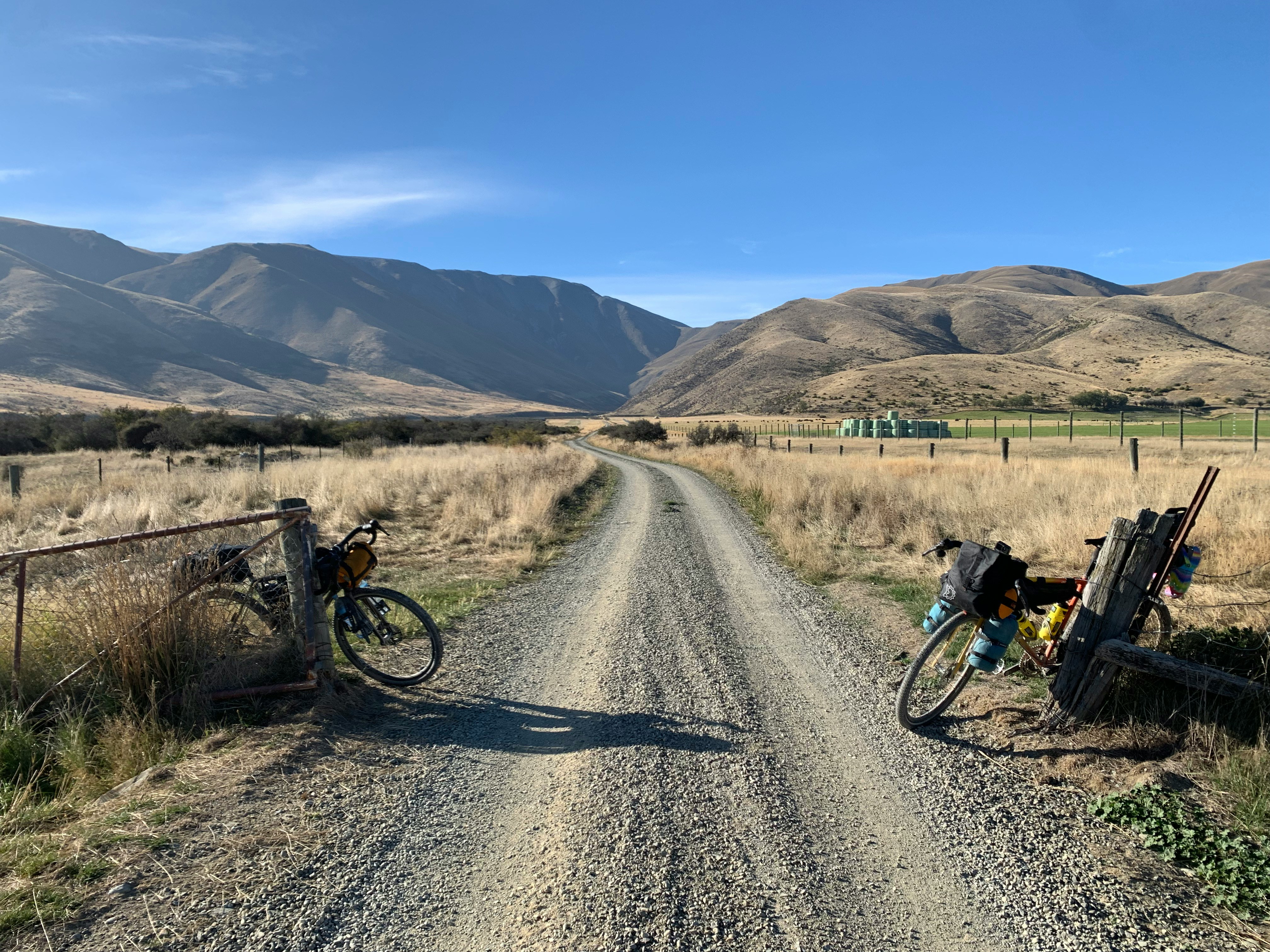
MUST-HAVE GEARS
- Helmet (legally required) — No one who values their wellbeing rides without one. A $50–150 life insurance policy.
- Front and rear lights —Reflectors on your bike and/or clothing are also a good idea so you are seen.
- Bell — Ring well in advance when approaching pedestrians from behind. Or call out a cheerful “Bike coming!”
- A good lock — Always secure your bike, whether outside or indoors. Choose strength based on the parking spot. Lock it through the frame.
- Weatherproof jacket and breathable layers
- Gloves, and cap or headband
- Shoes — almost any shoes except jandals 🤣
- Patience — it’s free and makes every ride better! Smart, respectful behaviour spreads good vibes and improves the image of cyclists everywhere.

Some more comfort:
- Water bottle – Especially for rides over 10 km.
- Pannier bag or backpack – Different options depending on your load. Long rides are easier without a backpack on your back.
- Cycling glasses – Protection from glare, rain, dust, and bugs
- Mudguards – Keep yourself (and others behind you) clean.
HOW TO GET Started
Step 1: Check your bike
Got an old bike in storage? Great! Get it serviced or check the essentials yourself: tyres, brakes, and gears. If you don’t own a bike yet, see our earlier easy tips on choosing one.
Step 2: Start small
Pick a sunny, dry day for your first commute. Leave work clothes or gear at the office the day before to make things easier. Take your time, and don’t aim for speed records. Start with once or twice a month—confidence will grow quickly.
Step 3: Build your routine
When the route feels familiar, increase your riding frequency. You’ll naturally notice which gear or upgrades you might need. Try new routes for variety, and learn to adapt to different weather.
Step 4: Share the vibe
Congratulations—you’re hooked! Cycling has become second nature. Now’s the time to inspire colleagues, encourage your employer to support cycling facilities, and promote sustainable commuting. 💚
Common challenges (and quick fixes)
.jpg?width=646&height=363&name=Vapaus_Spring_2024_C%20(1).jpg)
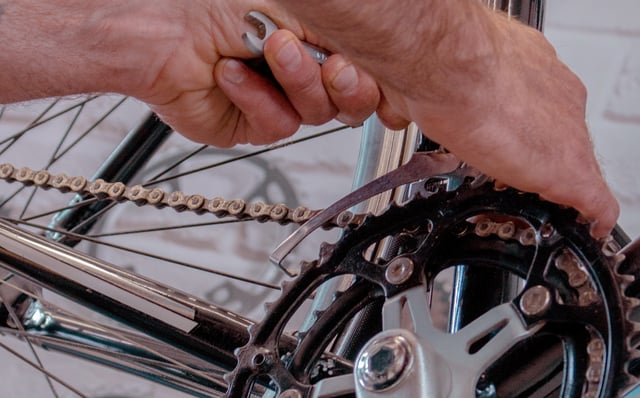
Basic bike care
- Check tyre pressure weekly.
- Keep the chain clean and lightly oiled.
- Test brakes regularly.
- Tighten loose bolts and adjust gears early before they cause trouble.
Stay safe on Kiwi roads 🇳🇿
- Cycling in New Zealand is easy when you know the basics:
- Helmets are required by law.
- Use front and rear lights (and reflectors) in low light or at night.
- Ride in bike lanes where possible; otherwise, keep left and share the road responsibly.
- Signal clearly before turning or changing lanes.
- On shared paths, give way to pedestrians and ring your bell or call out when passing.
- It’s legal to ride two abreast, but be courteous and move single file when cars approach.
For the full rules, check the New Zealand Code of Cycling.
HAPPY RIDING!
We hope this guide inspires you to give commuting by bike a go! If you already have access to a bike benefit scheme but are still searching for the perfect commuter bike, start by setting a budget.
See you on the bike paths! 👋